Introduction
Have you ever wondered what happens to that bag of clothes or box of books you drop off at a Goodwill donation center? Goodwill isn’t just about thrift stores—it’s a powerful community support system that transforms your used items into opportunities for others. From job training to sustainable living, your donations go a long way in making an impact.
What Is Goodwill?
Goodwill Industries International is a nonprofit organization founded in 1902 with a simple mission: help people achieve independence through learning and employment. Today, it operates across the U.S. and globally, running thousands of donation centers and thrift stores that fund social programs.
How Goodwill Donation Centers Work
When you donate, your items are collected, sorted, and sent to Goodwill retail stores. Items that don’t sell may be recycled, repurposed, or responsibly disposed of. This ensures that nothing goes to waste unnecessarily.
Why Donate to Goodwill?
- Helping communities: Every sale funds local training and job programs.
- Promoting sustainability: Your old items get a second life.
- Supporting job creation: Goodwill employs thousands through its retail operations.
What Can You Donate at Goodwill?
- Clothing & accessories: Shoes, jackets, bags, and more.
- Household items: Kitchenware, décor, and linens.
- Electronics & appliances: Phones, TVs, and small appliances.
- Books, toys & games: Perfect for families in need.
Items You Should Not Donate
Avoid donating hazardous materials, broken electronics, recalled items, or anything unsafe. If it’s unsafe for you, it’s unsafe for someone else.
How to Find Goodwill Donation Centers Near You
The easiest way is to use the Goodwill store locator on their official website. You can also search via Google Maps or check for community drop-off bins in your area.
Preparing Items for Donation
Before donating, wash clothes, pack items neatly, and label fragile goods. Think of it as gifting something—you want it to be usable and presentable.
The Environmental Benefits of Donating
Goodwill helps reduce landfill waste and encourages recycling. By donating, you extend the life cycle of products and cut down on unnecessary production.
How Goodwill Uses Your Donations
Proceeds fund:
- Retail stores that employ locals.
- Job training programs for people facing employment barriers.
- Community development and support projects.
Tax Benefits of Donating to Goodwill
Donations to Goodwill are tax-deductible. Make sure to get a receipt for your donation, especially for high-value items, so you can claim it during tax season.
Volunteering at Goodwill Donation Centers
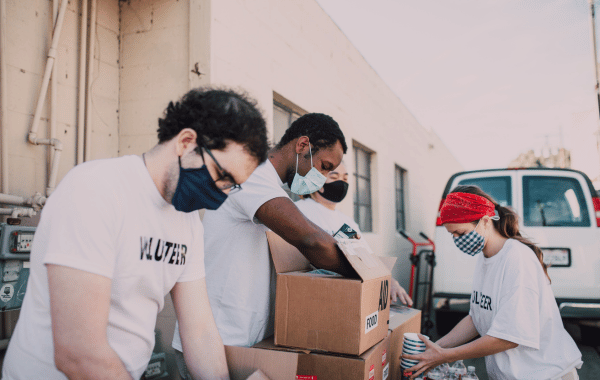
Aside from donating, you can give your time. Volunteers help sort, manage, and organize donations—while supporting Goodwill’s mission firsthand.
Common Myths About Goodwill Donations
- Myth: Donations don’t help anyone.
Fact: They fund job training and community support. - Myth: Only junk gets donated.
Fact: Many donations are high-quality and useful. - Myth: Goodwill keeps all the money.
Fact: Most proceeds go directly to programs.
Tips for Making Meaningful Donations
Donate items people need most: warm clothes in winter, school supplies in summer, or furniture for families starting fresh. Thoughtful donations make a bigger impact.
The Future of Goodwill Donation Centers
Goodwill is integrating more technology, eco-friendly recycling methods, and expanding its role as a sustainability leader. As awareness grows, donation centers will become even more essential to communities.
Conclusion
Goodwill donation centers aren’t just drop-off points—they’re engines of change. By donating, you’re not only decluttering your home but also empowering individuals and protecting the planet. Next time you clean out your closet, think of the lives your donation could transform.
FAQs
1. Can I donate furniture to Goodwill?
Yes, many Goodwill centers accept small furniture. Larger items may require a pickup request.
2. How do I get a tax receipt for donations?
Ask for a receipt when you drop off donations—it’s essential for tax deductions.
3. Does Goodwill pick up donations?
Some locations offer free pickup for large items. Check with your local Goodwill.
4. What happens to items that don’t sell?
Unsold items may be recycled, repurposed, or sold at Goodwill outlet stores.
5. Can businesses donate to Goodwill?
Absolutely. Many businesses donate overstock or unused items to support communities.
Read Also: CSL Plasma: Everything You Need to Know About Donating Plasma and Earning Rewards